Thursday, August 10, 2017

7 Unusual Signs You’re Reaching Your Potential


To one person it could be getting promoted to a particular position within the company they’ve worked at for years. To another, it could have nothing to do with a traditional job path, and instead be about building a life that allows them the freedom and time to do the things they love regularly.

No matter how you currently define your potential, chances are that you often criticize yourself for not closing the gap between present day you and your ‘ideal’ state sooner. 

In hopes of breaking that unnecessary self-criticism, I’ve put together a list of seven unusual signs that you’re reaching your true potential, in both video and written form.

See how many of these you currently exemplify, and choose to give yourself some credit for the incredible progress that you are making.

1. You’ve Stopped Giving a S**t About What Others Think

In my opinion, one of the biggest obstacles to someone reaching their potential is being overly preoccupied with what others think of them. Whether your goals are common or farfetched, you need to be able to pursue them in whatever way you deem most effective for you, rather than in a manner that you believe will be most socially acceptable.

I’m not suggesting that we all act recklessly when making decisions, with no consideration for how they could impact others, but rather, that we stop limiting our approach based on what others are going to think of it. The more often you are true to yourself and your needs, the closer you’ll be to attaining whatever your potential entails.

2. You Dictate Your Bedtime

This may sound silly, but you’d be amazed by how many of us (even those well into adulthood) continue to rob ourselves of our beauty rest. I know that the demands of work can make controlling your bedtime difficult, but nothing makes a long work day harder than ignoring your body’s desire for rest — and not taking advantage of the times it works best. 

Those on the cusp of reaching their potential will happily either go to bed early or stay up late based on what they know works best for them, without any care for what others might think of their decision.

Helpful Hint: Find it difficult to fall asleep early? Try cutting yourself off from tech like your laptop and phone 1-2 hours before your desired bedtime.

3. You Spend Money on You, Not What Others Expect You To

Let me immediately clarify that I am not suggesting that reaching your potential involves spending selfishly. What I am arguing is that you should choose to allocate your resources in ways that benefit you and your long-term goals, rather than in ways that others may expect.

Just because “most people” your age own a car or go out for dinner several nights per week, doesn’t mean that you necessarily have to as well. If those things are important to you, awesome, but if not, a big sign you’re reaching your potential is your ability to differentiate between what does and doesn’t matter to you and act accordingly.

 4. You’re Grateful for Your Past

We’ve all been through our fair share of hardship in life, and while many of us would love to have avoided much of that pain, we also know that we cannot change the past. A key sign you’re reaching your potential is the way you choose to look back upon your life story thus far.

Do you regularly dwell upon your past, basking in the victimhood, pain, or sadness that came along with it? Or do you accept it for what it was, and instead focus on appreciating and applying what you learned about yourself, others, and how to handle particular circumstances from it?

5. You’re Okay With Being Wrong 

No matter how spiritually, emotionally, and intellectually intelligent you believe yourself to be, we are all wrong from time to time in this life. And, in my opinion, one of the most obvious indications that you’re reaching your potential is your acceptance of that reality.

The more you admit to your shortcomings and are willing to learn from others, rather than wasting your time pointing the blame elsewhere, the more likely you are to expedite your path to success.

6. You Happily Compliment Others

How do you view other people’s accomplishments? Does seeing someone succeed at something that you deem admirable inspire you to pursue your own goals, or does it fill you with jealousy?

Feeling jealous has never done anyone any good, yet we seem to love casually stating it (“I’m so jealous”) as if it does. You genuinely being happy for, rather than jealous of, others people will save you a ton of time and mental energy that you can instead direct toward your own projects.

7. Patience Is Not a Problem 

We all know what it feels like to be impatient. And while we might wish that life never required us to be patient, we also know that will never be the case. Pretty well every big accomplishment in life that you deem admirable took time to develop into what it is today.
Another sign you’re reaching your potential is that you not only recognize the necessity of patience, but choose to practice it regularly — even when losing your cool would be more satisfying.

Sunday, August 6, 2017

New neuroscience reveals 4 rituals that will change your life and make you happy

Actually, don’t trust me either. Trust neuroscientists. They study that gray blob in your head all day and have learned a lot about what truly will make you happy.


UCLA neuroscience researcher Alex Korb has some insights that can create an upward spiral of happiness in your life. Here’s what you and I can learn from the people who really have answers:

1) The Most Important Question To Ask When You Feel Down

Sometimes it doesn’t feel like your brain wants you to be happy. You may feel guilty or shameful. Why?

Believe it or not, guilt and shame activate the brain’s reward center

Despite their differences, pride, shame, and guilt all activate similar neural circuits, including the dorsomedial prefrontal cortex, amygdala, insula, and the nucleus accumbens. Interestingly, pride is the most powerful of these emotions at triggering activity in these regions — except in the nucleus accumbens, where guilt and shame win out. This explains why it can be so appealing to heap guilt and shame on ourselves — they’re activating the brain’s reward center

And you worry a lot too. Why? In the short term, worrying makes your brain feel a little better — at least you’re doing something about your problems.

In fact, worrying can help calm the limbic system by increasing activity in the medial prefrontal cortex and decreasing activity in the amygdala. That might seem counterintuitive, but it just goes to show that if you’re feeling anxiety, doing something about it — even worrying — is better than doing nothing

But guilt, shame and worry are horrible long-term solutions. So what do neuroscientists say you should do? Ask yourself this question;

What am I grateful for?

Yeah, gratitude is awesome… but does it really affect your brain at the biological level? Yup.

You know what the antidepressant Wellbutrin does? Boosts the neurotransmitter dopamine. So does gratitude. 

The benefits of gratitude start with the dopamine system, because feeling grateful activates the brain stem region that produces dopamine. Additionally, gratitude toward others increases activity in social dopamine circuits, which makes social interactions more enjoyable…

Know what Prozac does? Boosts the neurotransmitter serotonin. So does gratitude

One powerful effect of gratitude is that it can boost serotonin. Trying to think of things you are grateful for forces you to focus on the positive aspects of your life. This simple act increases serotonin production in the anterior cingulate cortex

I know, sometimes life lands a really mean punch in the gut and it feels like there’s nothing to be grateful for. Guess what?

Doesn’t matter. You don’t have to find anything. It’s the searching that counts.

It’s not finding gratitude that matters most; it’s remembering to look in the first place. Remembering to be grateful is a form of emotional intelligence. One study found that it actually affected neuron density in both the ventromedial and lateral prefrontal cortex. These density changes suggest that as emotional intelligence increases, the neurons in these areas become more efficient. With higher emotional intelligence, it simply takes less effort to be grateful. 

And gratitude doesn’t just make your brain happy — it can also create a positive feedback loop in your relationships. So express that gratitude to the people you care about.

(For more on how gratitude can make you happier and more successful, click here.)

But what happens when bad feelings completely overtake you? When you’re really in the dumps and don’t even know how to deal with it? There’s an easy answer…

2) Label Negative Feelings

You feel awful. Okay, give that awfulness a name. Sad? Anxious? Angry?

Boom. It’s that simple. Sound stupid? Your noggin disagrees.

…in one fMRI study, appropriately titled “Putting Feelings into Words” participants viewed pictures of people with emotional facial expressions. Predictably, each participant’s amygdala activated to the emotions in the picture. But when they were asked to name the emotion, the ventrolateral prefrontal cortex activated and reduced the emotional amygdala reactivity. In other words, consciously recognizing the emotions reduced their impact.


Suppressing emotions doesn’t work and can backfire on you.


Gross found that people who tried to suppress a negative emotional experience failed to do so. While they thought they looked fine outwardly, inwardly their limbic system was just as aroused as without suppression, and in some cases, even more aroused. Kevin Ochsner, at Columbia, repeated these findings using an fMRI. Trying not to feel something doesn’t work, and in some cases even backfires.

But labeling, on the other hand, makes a big difference

To reduce arousal, you need to use just a few words to describe an emotion, and ideally use symbolic language, which means using indirect metaphors, metrics, and simplifications of your experience. This requires you to activate your prefrontal cortex, which reduces the arousal in the limbic system. Here’s the bottom line: describe an emotion in just a word or two, and it helps reduce the emotion.

Ancient methods were way ahead of us on this one. Meditation has employed this for centuries. Labeling is a fundamental tool of mindfulness.

In fact, labeling affects the brain so powerfully it works with other people too. Labeling emotions is one of the primary tools used by FBI hostage negotiators.

(To learn more of the secrets of FBI hostage negotiators, click here.)

Okay, hopefully you’re not reading this and labeling your current emotional state as “Bored.” Maybe you’re not feeling awful but you probably have things going on in your life that are causing you some stress. Here’s a simple way to beat them…

3) Make That Decision

Ever make a decision and then your brain finally feels at rest? That’s no random occurrence.

Brain science shows that making decisions reduces worry and anxiety — as well as helping you solve problems.

Making decisions includes creating intentions and setting goals — all three are part of the same neural circuitry and engage the prefrontal cortex in a positive way, reducing worry and anxiety. Making decisions also helps overcome striatum activity, which usually pulls you toward negative impulses and routines. Finally, making decisions changes your perception of the world — finding solutions to your problems and calming the limbic system.

But deciding can be hard. I agree. So what kind of decisions should you make? Neuroscience has an answer…

Make a “good enough” decision. Don’t sweat making the absolute 100% best decision. We all know being a perfectionist can be stressful. And brain studies back this up.

Trying to be perfect overwhelms your brain with emotions and makes you feel out of control. 

Trying for the best, instead of good enough, brings too much emotional ventromedial prefrontal activity into the decision-making process. In contrast, recognizing that good enough is good enough activates more dorsolateral prefrontal areas, which helps you feel more in control...

As Swarthmore professor Barry Schwartz said in my interview with him: “Good enough is almost always good enough.”

So when you make a decision, your brain feels you have control. And, as I’ve talked about before, a feeling of control reduces stress. But here’s what’s really fascinating: Deciding also boosts pleasure.

Via The Upward Spiral:

Actively choosing caused changes in attention circuits and in how the participants felt about the action, and it increased rewarding dopamine activity.

Want proof? No problem. Let’s talk about cocaine.

You give 2 rats injections of cocaine. Rat A had to pull a lever first. Rat B didn’t have to do anything. Any difference? Yup: rat A gets a bigger boost of dopamine.

Via The Upward Spiral:

So they both got the same injections of cocaine at the same time, but rat A had to actively press the lever, and rat B didn’t have to do anything. And you guessed it — rat A released more dopamine in its nucleus accumbens.

So what’s the lesson here? Next time you buy cocaine… whoops, wrong lesson. Point is, when you make a decision on a goal and then achieve it, you feel better than when good stuff just happens by chance.

And this answers the eternal mystery of why dragging your butt to the gym can be so hard.

If you go because you feel you have to or you should, well, it’s not really a voluntary decision. Your brain doesn’t get the pleasure boost. It just feels stress. And that’s no way to build a good exercise habit.

Via The Upward Spiral:

Interestingly, if they are forced to exercise, they don’t get the same benefits, because without choice, the exercise itself is a source of stress.

So make more decisions. Neuroscience researcher Alex Korb sums it up nicely:

We don’t just choose the things we like; we also like the things we choose.

(To learn what neuroscientists say is the best way to use caffeine, click here.)

Okay, you’re being grateful, labeling negative emotions and making more decisions. Great. But this is feeling kinda lonely for a happiness prescription. Let’s get some other people in here.

What’s something you can do with others that neuroscience says is a path to mucho happiness? And something that’s stupidly simple so you don’t get lazy and skip it? Brain docs have an answer for you…

4) Touch People

No, not indiscriminately; that can get you in a lot of trouble.

But we need to feel love and acceptance from others. When we don’t it’s painful. And I don’t mean “awkward” or “disappointing.” I mean actually painful.

Neuroscientists did a study where people played a ball-tossing video game. The other players tossed the ball to you and you tossed it back to them. Actually, there were no other players; that was all done by the computer program.

But the subjects were told the characters were controlled by real people. So what happened when the “other players” stopped playing nice and didn’t share the ball?

Subjects’ brains responded the same way as if they experienced physical pain. Rejection doesn’t just hurt like a broken heart; your brain feels it like a broken leg.

Via The Upward Spiral:

In fact, as demonstrated in an fMRI experiment, social exclusion activates the same circuitry as physical pain… at one point they stopped sharing, only throwing back and forth to each other, ignoring the participant. This small change was enough to elicit feelings of social exclusion, and it activated the anterior cingulate and insula, just like physical pain would.

Relationships are very important to your brain’s feeling of happiness. Want to take that to the next level? Touch people.

Via The Upward Spiral:

One of the primary ways to release oxytocin is through touching. Obviously, it’s not always appropriate to touch most people, but small touches like handshakes and pats on the back are usually okay. For people you’re close with, make more of an effort to touch more often.

Touching is incredibly powerful. We just don’t give it enough credit. It makes you more persuasive, increases team performance, improves your flirting… heck, it even boosts math skills.

Touching someone you love actually reduces pain. In fact, when studies were done on married couples, the stronger the marriage, the more powerful the effect.

Via The Upward Spiral:

In addition, holding hands with someone can help comfort you and your brain through painful situations. One fMRI study scanned married women as they were warned that they were about to get a small electric shock. While anticipating the painful shocks, the brain showed a predictable pattern of response in pain and worrying circuits, with activation in the insula, anterior cingulate, and dorsolateral prefrontal cortex. During a separate scan, the women either held their husbands’ hands or the hand of the experimenter. When a subject held her husband’s hand, the threat of shock had a smaller effect. The brain showed reduced activation in both the anterior cingulate cortex and dorsolateral prefrontal cortex— that is, less activity in the pain and worrying circuits. In addition, the stronger the marriage, the lower the discomfort-related insula activity.

So hug someone today. And do not accept little, quick hugs. No, no, no. Tell them your neuroscientist recommended long hugs.

Via The Upward Spiral:

A hug, especially a long one, releases a neurotransmitter and hormone oxytocin, which reduces the reactivity of the amygdala.

Research shows getting five hugs a day for four weeks increases happiness big time.

Don’t have anyone to hug right now? No? (I’m sorry to hear that. I would give you a hug right now if I could.) But there’s an answer: neuroscience says you should go get a massage.

Via The Upward Spiral:

The results are fairly clear that massage boosts your serotonin by as much as 30 percent. Massage also decreases stress hormones and raises dopamine levels, which helps you create new good habits… Massage reduces pain because the oxytocin system activates painkilling endorphins. Massage also improves sleep and reduces fatigue by increasing serotonin and dopamine and decreasing the stress hormone cortisol.

So spend time with other people and give some hugs. Sorry, texting is not enough.

When you put people in a stressful situation and then let them visit loved ones or talk to them on the phone, they felt better. What about when they just texted? Their bodies responded the same as if they had no support at all.

Via The Upward Spiral:

…the text-message group had cortisol and oxytocin levels similar to the no-contact group.

Author’s note: I totally approve of texting if you make a hug appointment.

(To learn what neuroscience says is the best way to get smarter and happier, click here.)

Okay, I don’t want to strain your brain with too much info. Let’s round it up and learn the quickest and easiest way to start that upward spiral of neuroscience-inspired happiness…

Sum Up

Here’s what brain research says will make you happy:

  • Ask “What am I grateful for?” No answers? Doesn’t matter. Just searching helps.
  • Label those negative emotions. Give it a name and your brain isn’t so bothered by it.
  • Decide. Go for “good enough” instead of “best decision ever made on Earth.”
  • Hugs, hugs, hugs. Don’t text — touch.

So what’s the dead simple way to start that upward spiral of happiness?

Just send someone a thank you email. If you feel awkward about it, you can send them this post to tell them why.

This really can start an upward spiral of happiness in your life. UCLA neuroscience researcher Alex Korb explains:

Everything is interconnected. Gratitude improves sleep. Sleep reduces pain. Reduced pain improves your mood. Improved mood reduces anxiety, which improves focus and planning. Focus and planning help with decision making. Decision making further reduces anxiety and improves enjoyment. Enjoyment gives you more to be grateful for, which keeps that loop of the upward spiral going. Enjoyment also makes it more likely you’ll exercise and be social, which, in turn, will make you happier.

So thank you for reading this.


Thursday, August 3, 2017

The Differences Between CBD Oils and THC

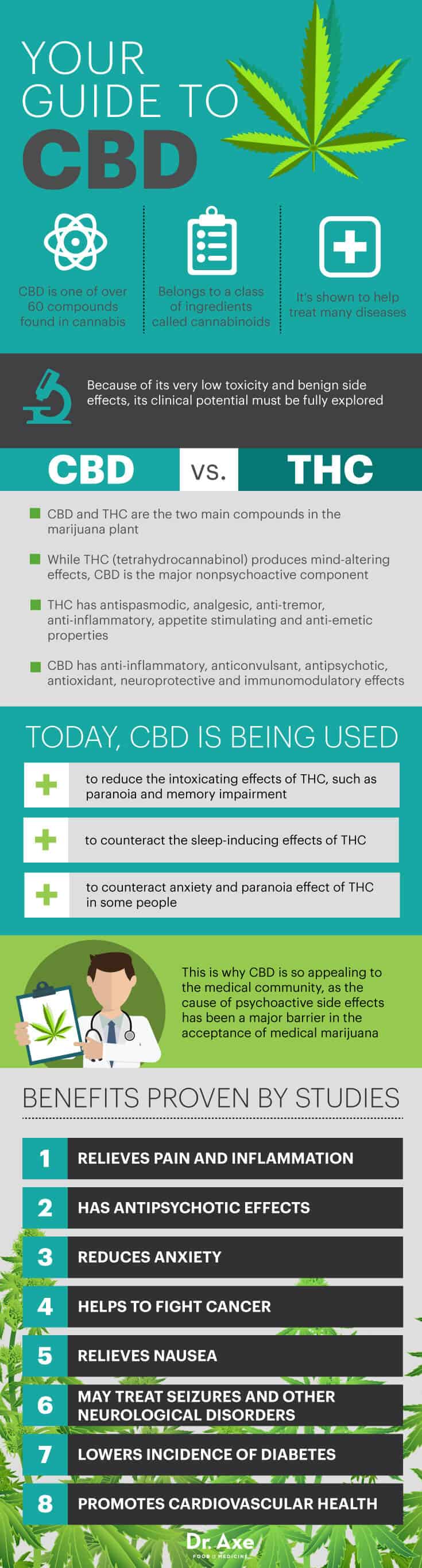
8 Proven Benefits of CBD

1. Relieves Pain and Inflammation
Among common CBD benefits, natural pain relief tops the list for many. Evidence suggests that cannabinoids may prove useful in pain modulation by inhibiting neuronal transmission in pain pathways. A 2012 study published in the Journal of Experimental Medicine found that CBD significantly suppressed chronic inflammatory and neuropathic pain in rodents without causing analgesic tolerance. Researchers suggest that CBD and other nonpsychoactive components of marijuana may represent a novel class of therapeutic agents for the treatment of chronic pain. (4)
According to a 2007 meta-analysis conducted in Canada, the combination of CBD and THC buccal spray was found to be effective in treating neuropathic pain in multiple sclerosis, which can be debilitating for 50 to 70 percent of MS patients. (5)

2. Has Antipsychotic Effects
Research shows that CBD benefits include producing antipsychotic effects. It appears to have a pharmacological profile similar to that of atypical antipsychotic drugs as seen using behavioral and neurochemical techniques in animal studies. Additionally, studies show that CBD prevents human experimental psychosis and is effective in open case reports and clinical trials in patients with schizophrenia, with a remarkable safety profile. (6)


3. Reduces Anxiety
Studies using animal models of anxiety and involving healthy volunteers clearly suggest an anxiolytic-like effect of CBD. Cannabidiol has shown to reduce anxiety in patients with social anxiety disorder and researchers suggest that it may also be effective for panic disorder, obsessive compulsive disorder, social anxiety disorder and post-traumatic stress disorder. (7)
A 2011 study aimed to compare the effects of a simulation public speaking test on healthy control patients and treatment-native patients with social anxiety disorder. A total of 24 never-treated patients with social anxiety disorder were given either CBD or placebo 1.5 hours before the test. Researchers found that pretreatment with CBD significantly reduced anxiety, cognitive impairment and discomfort in their speech performance, and significantly decreased alertness in anticipation of their speech. The placebo group presented higher anxiety, cognitive impairment and discomfort. (8)


4. Helps to Fight Cancer
Several scientific reports demonstrate that CBD benefits include possessing antiproliferative, pro-apoptotic effects that inhibit cancer cell migration, adhesion and invasion. (9) A 2006 study published in the Journal of Pharmacology and Experimental Therapeutics found for the first time that CBD potently and selectively inhibited the growth of different breast tumor cell lines and exhibited significantly less potency in non-cancer cells. (10)

In 2011, researchers added light on the cellular mechanism through which CBD induces cell death in breast cancer cells. They showed that CBD induced a concentration-dependent cell death of both oestrogen receptor-positive and oestrogen receptor-negative breast cancer cells. They also found that the effective concentrations of CBD in tumor cells have little effect on non-tumorigenic, mammary cells. (11)

CBD behaves as a non-toxic compound and studies show that doses of 700 milligrams per day for 6 weeks did not show any overt toxicity in humans, suggesting that it can be used for prolonged treatment. Not only does the research show that CBD benefits including being effective in fighting breast cancer cells, data also suggests that it can be used to inhibit the invasion of lung and colon cancer, plus it possesses anti-tumor properties in gliomas and has been used to treat leukemia. (12)

CBD guide - Dr. Axe

5. Relieves Nausea
Cannabis has been used for centuries for the suppression of nausea and vomiting. Research has revealed that among more than 80 cannabinoid compounds found in marijuana, both the intoxicant THC and the non-intoxicant CBD helps to get rid of nausea and vomiting in animal studies. A 2012 study published in the British Journal of Pharmacology found that CBD benefits including possessing anti-nausea and antiemetic effects when it was administered to rats. (13) Researchers found that CBD acts in a diphasic manner, meaning that in low doses it suppresses toxin-induced vomiting, but in high doses it increases nausea or has no effect.

6. May Treat Seizures and Other Neurological Disorders
A 2014 survey conducted by researchers at Stanford University was presented to parents belonging to a Facebook group dedicated to sharing information about the use of cannabidiol-enriched cannabis to treat their child’s seizures. Nineteen responses met the inclusion criteria for the study: a diagnosis of epilepsy and current use of CBD-enriched cannabis. The average number of anti-epileptic drugs tried before using CBD cannabis was 12. Sixteen (84 percent) of the 19 parents reported a reduction in their child’s seizure frequency while taking CBD cannabis. Of these, two (11 percent) reported complete seizure freedom, eight (42 percent) reported a greater than 80 percent reduction in seizure frequency, and six (32 percent) reported a 25–60 percent seizure reduction. Other beneficial effects included increased alertness, better mood and improved sleep; while side effects included drowsiness and fatigue. (14)

Later in 2014, researchers reported on preliminary results of a study involving children with treatment-resistant epilepsies in an expanded access “compassionate use program.” Patients received a purified 98 percent oil-based CBD extract called Epidiolex, which is made by GW Pharmaceuticals. After 3 months of treatment, 39 percent of the 23 patients had more than a 50 percent reduction in seizures, with a 32 percent median reduction. These preliminary results support the animal studies and survey reports that CBD may be a promising treatment for treatment-resistant epilepsy and it is generally well-tolerated in doses up to 25 milligrams per kilogram of body weight. (15)

7. Lowers Incidence of Diabetes
A 2006 study found that CBD treatment significantly reduced the incidence of diabetes in non-obese diabetic mice from an incidence of 86 percent in non-treated mice to an incidence of 30 percent in CBD-treated mice. CBD benefits also showed a significant reduction of plasma levels of pro-inflammatory cytokines. A histological examination of the pancreatic islets of the CBD-treated mice revealed significantly reduced insulitis. (16)

In 2013, the American Journal of Medicine published a study that highlighted the impact of marijuana use on glucose, insulin and insulin resistance among U.S. adults. The study included 4,657 adult men and women from the National Health and Nutritional Examination Survey from 2005 to 2010. Of the participants, 579 were current marijuana users and 1,975 were past users. The researchers found that current marijuana use was associated with 16 percent lower fasting insulin levels. They also found significant associations between marijuana use and smaller waist circumferences, a factor connected to the onset of diabetes symptoms. (17)

8. Promotes Cardiovascular Health
A 2013 study published in the British Journal of Clinical Pharmacology reports that CBD protects against the vascular damage caused by a high glucose environment, inflammation or the induction of type 2 diabetes in animal models; plus, CBD proved to reduce the vascular hyperpermeability (which causes leaky gut) associated with such environments. (18)

CBD vs. THC

CBD and THC are the two main compounds in the marijuana plant and they are the only two cannabinoids that have been well characterized to date. Many strains of marijuana are known for having abundant levels of THC and high-CBD strains are less common; however, with the medical community paying more attention to the therapeutic effects of CBD, that is beginning to change.
Both compounds have important health benefits: THC has antispasmodic, analgesic, anti-tremor, anti-inflammatory, appetite stimulating and anti-emetic properties, and CBD has anti-inflammatory, anticonvulsant, antipsychotic, antioxidant, neuroprotective and immunomodulatory effects.
The clinical use of THC is often limited by its unwanted psychoactive side effects, and for this reason interest in non-psychoactive phytocannabinoids, such as CBD, has substantially increased in recent years. In fact, CBD is being used to reduce the intoxicating effects of THC, such as paranoia and memory impairment. (19)
CBD also appears to counteract the sleep-inducing effects of THC. This is what makes CBD so appealing to the medical community, as the cause of psychoactive side effects has been a major barrier in the acceptance of medical marijuana. (20) While THC is known to cause anxiety and paranoia in some people, CBD works to counteract those side effects. For this reason, CBD benefits extend to being used in clinical trials on young children with epilepsy.
Another major difference between THC and CBD is that marijuana with high levels of THC is commonly used for its sleep-inducing effects, while CBD appears to promote wakefulness instead. (21)

How to Legally Acquire CBD

At the federal level, CBD is classified as a Schedule 1 drug in the United States because it is one of the many cannabinoids present in marijuana. To be labeled a schedule 1 drug means that it has a high potential for abuse and the potential to create severe psychological or physical dependence; therefore these drugs are not allowed to be used for medical use.
Medical research can and is being done with schedule 1 substances, including CBD and other active ingredients in marijuana, but there are strict regulations and administrative hurdles associated with this status. According to the Federation of American Societies for Experimental Biology, the DEA is currently conducting a scientific review of CBD to elucidate its pharmacology and abuse liability and to identify gaps in the published literature. (22)
In 1996, California voters passed Proposition 215, allowing for the use of medical marijuana. Since then, 27 more states, plus the District of Columbia, Guam and Puerto Rico have enacted similar laws that allow for comprehensive public medical marijuana and cannabis programs.
More recently, 17 states have approved the use of low THC, high CBD products for medical reasons in limited situations. Each state has specific requirements and conditions that need to be followed in order to use CBD legally, such as patient registry requirements and definitions of products that are allowed. (23) The 17 states that allow limited access to marijuana products low in THC and high in CBD include:
  • Alabama
  • Florida
  • Georgia
  • Iowa
  • Kentucky
  • Louisiana
  • Mississipi
  • Missouri
  • North Carolina
  • Oklahoma
  • South Carolina
  • Tennessee
  • Texas
  • Utah
  • Virginia
  • Wisconsin
  • Wyoming
  • Idaho (vetoed by governor in 2015)

Precautions

Although the research on the medicinal use of cannabis is strong, several studies indicate that the recreational use of cannabis can have persistent adverse effects on mental health. According to a 2013 report published in Frontiers in Psychiatry, depending on how often someone uses, the age of onset, the potency of the cannabis that is used and someone’s individual sensitivity, the recreational use of cannabis may cause permanent psychological disorders. Most recreational users will never be faced with such persistent mental illness, but in some individuals cannabis use leads to undesirable effects, including cognitive impairment, anxiety, paranoia and increased risks of developing chronic psychosis or drug addiction. (24)
Some studies show that CBD can counteract these adverse effects, but more research is needed, as most of this research is done on animals or is based on anecdotal reports. Little research has focused on the safety and side effects of CBD in humans; however, clinical trials indicate that only a few, generally mild side effects have been observed after CBD administration and tolerance for CBD does not seem to occur.

Final Thoughts

  • CBD is one of over 60 compounds found in cannabis that belong to a class of ingredients called cannabinoids; it is the major nonpsychoactive component of Cannabis sativa.
  • Research shows that CBD benefits include acting as an anti-inflammatory, anticonvulsant, antioxidant, antiemetic, anxiolytic and antipsychotic agent, and is therefore a potential medicine for the treatment of neuroinflammation, epilepsy, oxidative injury, vomiting and nausea, anxiety and schizophrenia.
  • Many strains of marijuana are known for having abundant levels of THC and high-CBD strains are less common; however, with the medical community paying more attention to the therapeutic effects of CBD, that is beginning to change. CBD is being used to reduce the intoxicating effects of THC, such as paranoia and memory impairment.
  • 17 states have approved the use of low THC, high CBD products for medical reasons in limited situations. Each state has specific requirements and conditions that need to be followed in order to use CBD legally, such as patient registry requirements and definitions of products that are allowed.

Read Next: Hemp Seed Benefits


From the sound of it, you might think leaky gut only affects the digestive system, but in reality it can affect more. Because Leaky Gut is so common, and such an enigma, I’m offering a free webinar on all things leaky gut.